Testing Types
Pick the traffic shape and gate that matches the risk you are actually trying to catch.
Start with The types of performance testing, and when to use each for the map, then Load testing vs stress testing vs performance testing for the three terms that get used interchangeably and should not be. The traffic-shape posts each take one risk: stress testing finds the breaking point, spike testing rehearses a flash sale, and soak testing holds average load for hours to catch the memory leak a ten-minute run never sees.
The versus posts settle scope arguments before they reach a planning meeting: smoke vs performance, functional vs performance, and API vs browser performance testing.
Real-browser load testing, explained is the piece behind everything Evaluat does, and performance regression testing turns the results into a release gate your pipeline can enforce.
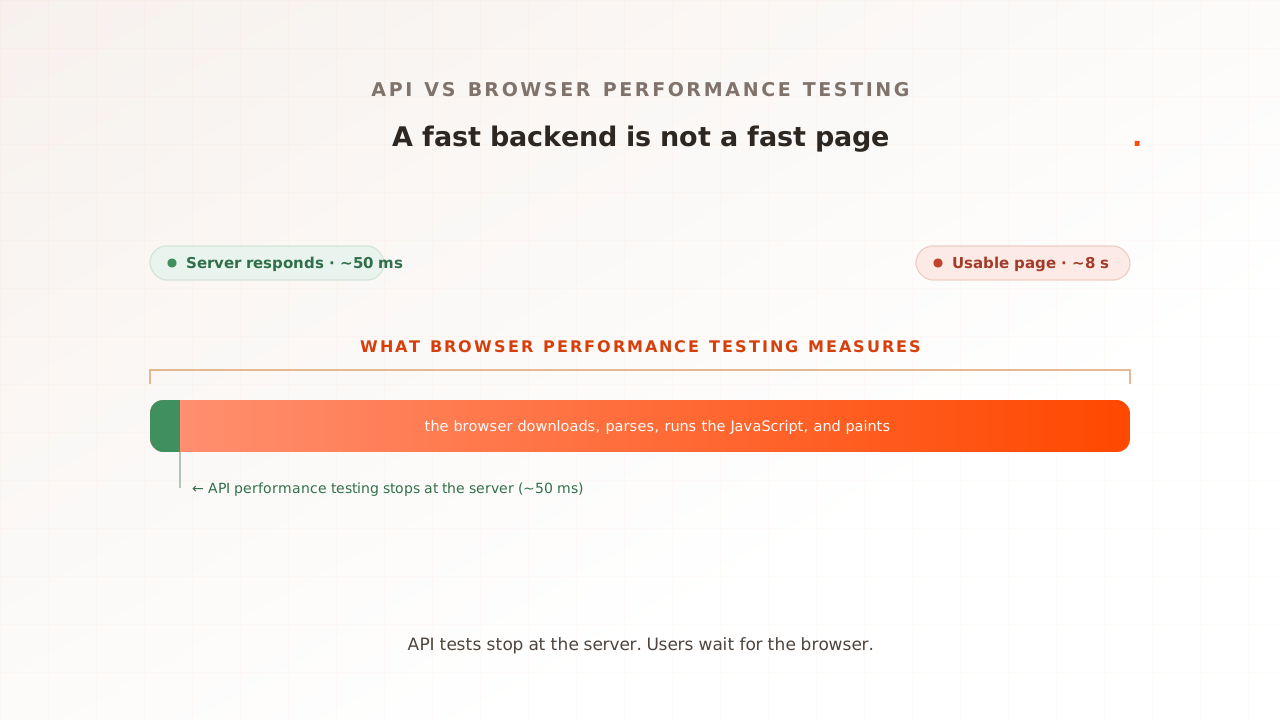
API performance testing vs browser performance testing: which your QA strategy needs
Your API responds in fifty milliseconds. Your page still takes eight seconds to feel ready. API performance testing and browser performance testing measure different layers of that gap, and your QA strategy needs both. Here is what each one catches, what it misses, and how to decide which to run first.
Ahmad Farzan ·
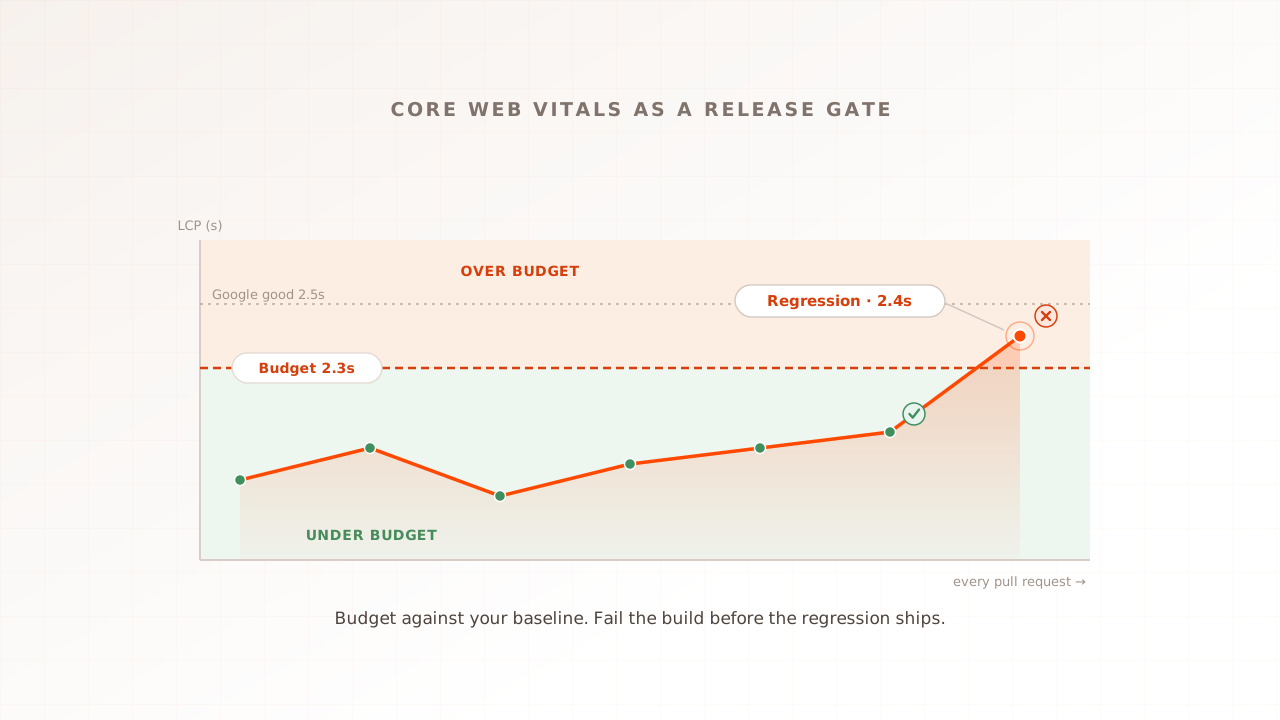
Performance regression testing: making Core Web Vitals a CI/CD release gate
A green test suite proves your code is correct. It says nothing about whether the page got slower. Performance regression testing closes that gap: set Core Web Vitals budgets, measure every build against a baseline, and fail the pipeline when a change busts one. This guide wires that gate into CI/CD, from baselining main to the regressions only load reveals.
Ahmad Farzan ·
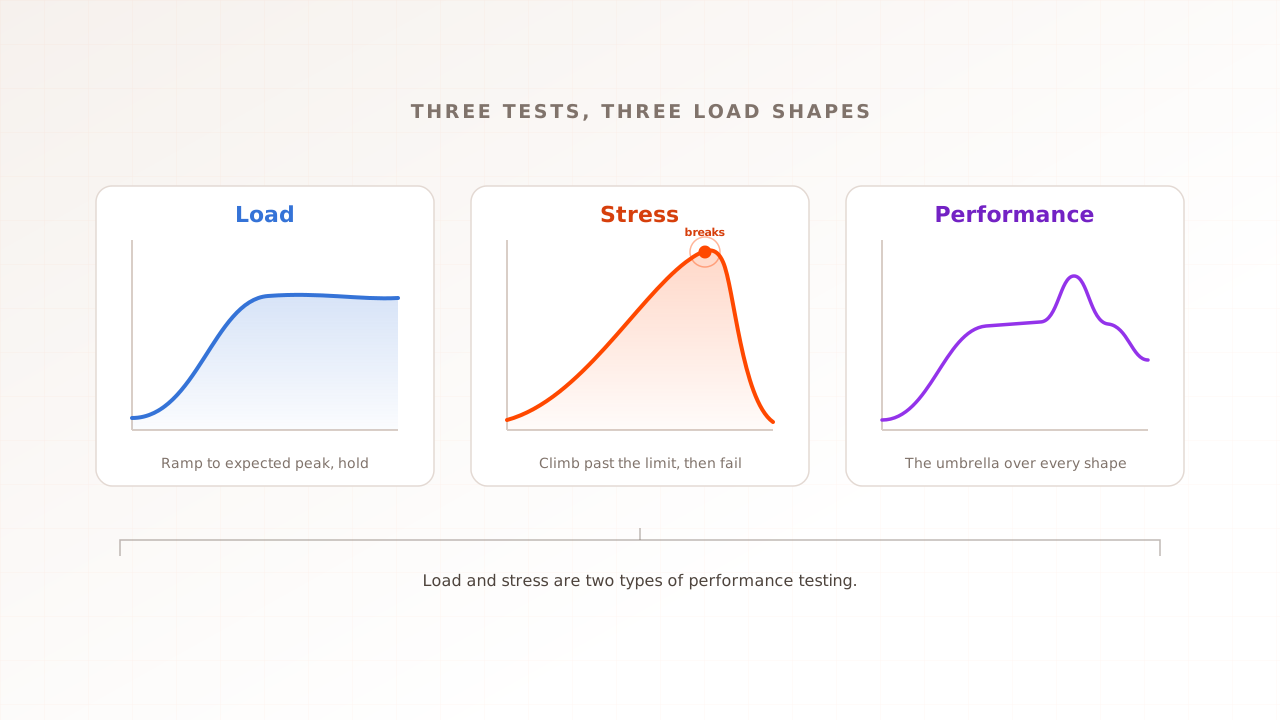
Load testing vs stress testing vs performance testing: how the three actually differ
Three terms, endless confusion. Performance testing is the umbrella; load testing checks whether you survive the traffic you expect; stress testing pushes past that to find where you break. This guide shows how the three actually differ, when to run each, and which one your team needs first.
Ahmad Farzan ·
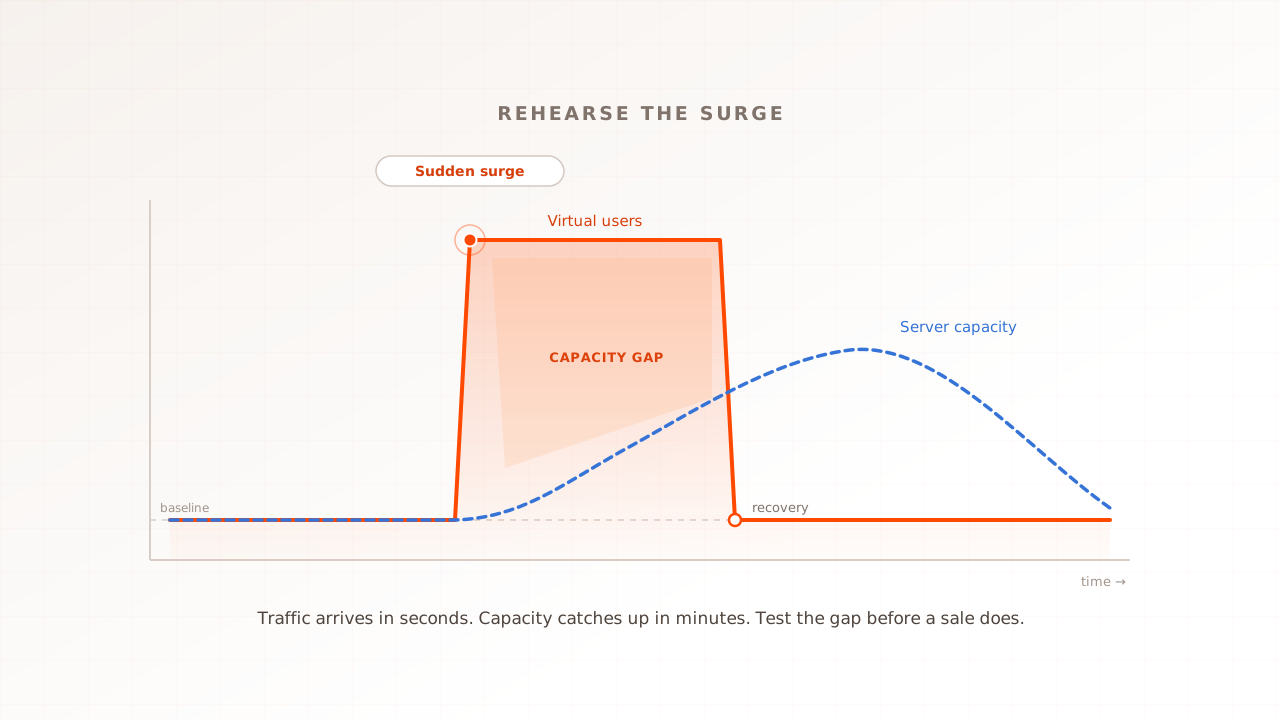
What is spike testing? Preparing for traffic surges and flash sales
A flash sale does not ramp up. Ten thousand people hit checkout in the same minute, and the autoscaler is still booting servers when the page falls over. Spike testing rehearses that surge on purpose, a sudden jump in traffic then a sudden drop, so you learn whether the site survives the moment before your customers find out for you.
Ahmad Farzan ·
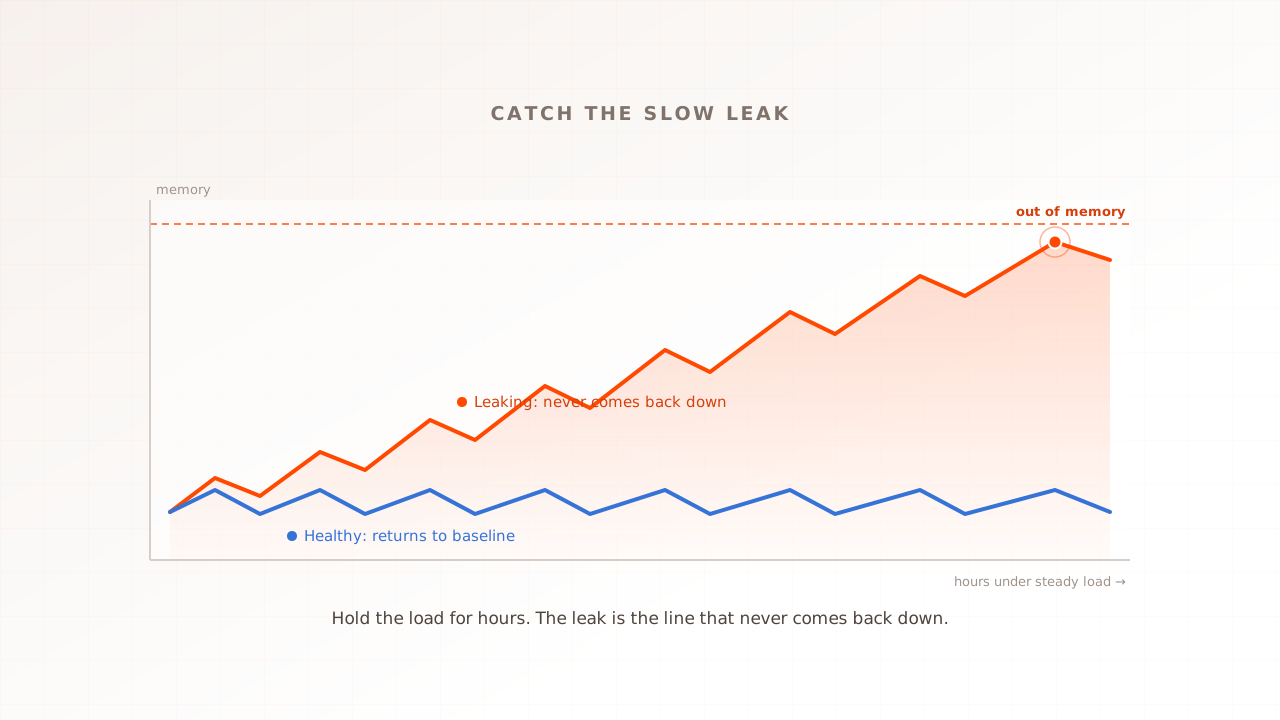
Soak testing explained: catching slow degradation and memory leaks over time
Some failures never show up in a ten-minute test. A memory leak, a connection that never closes, a cache that only grows: these surface after hours of steady traffic, not minutes. Soak testing holds a realistic load for hours or days to expose the slow degradation short tests miss, before your users meet it as a 3 a.m. outage.
Ahmad Farzan ·
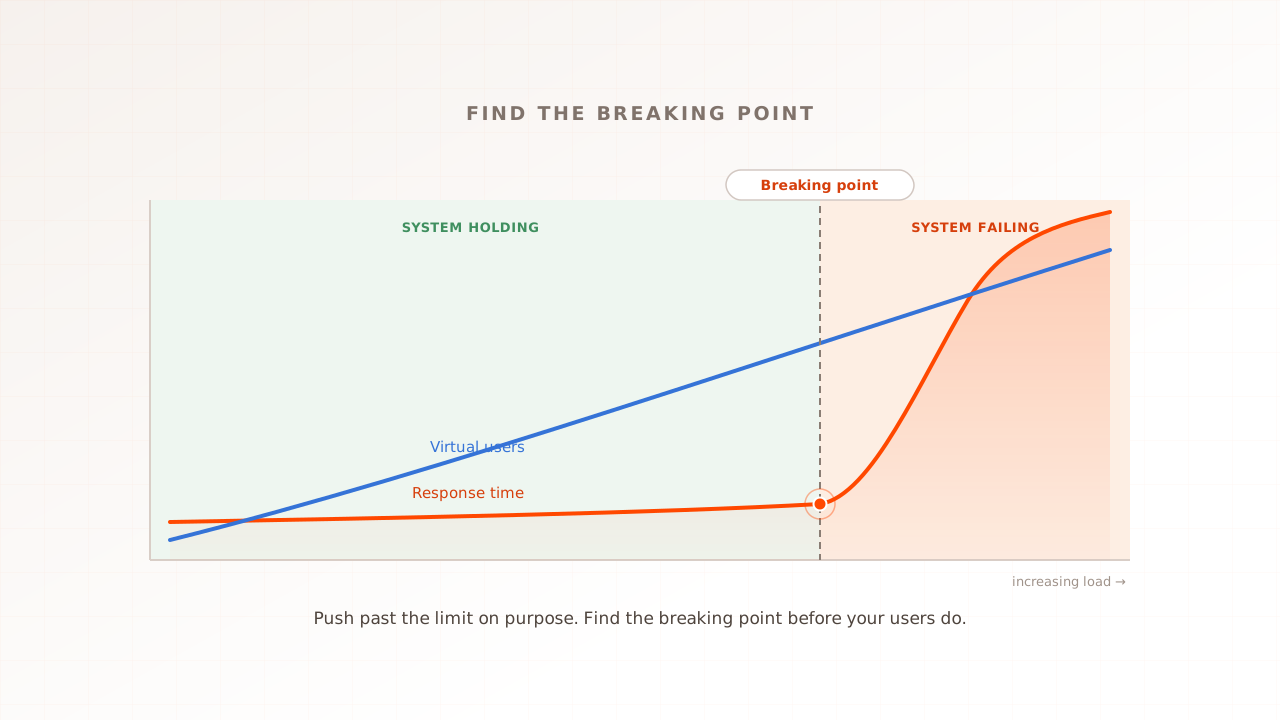
Stress testing a website: how to find the breaking point before your users do
Every website has a breaking point. The only question is whether you find it in a test or your users find it during a sale. Stress testing pushes the site past its limit on purpose, so you learn where it fails, how it fails, and how fast it recovers, before real traffic does. Here is how to run one.
Ahmad Farzan ·
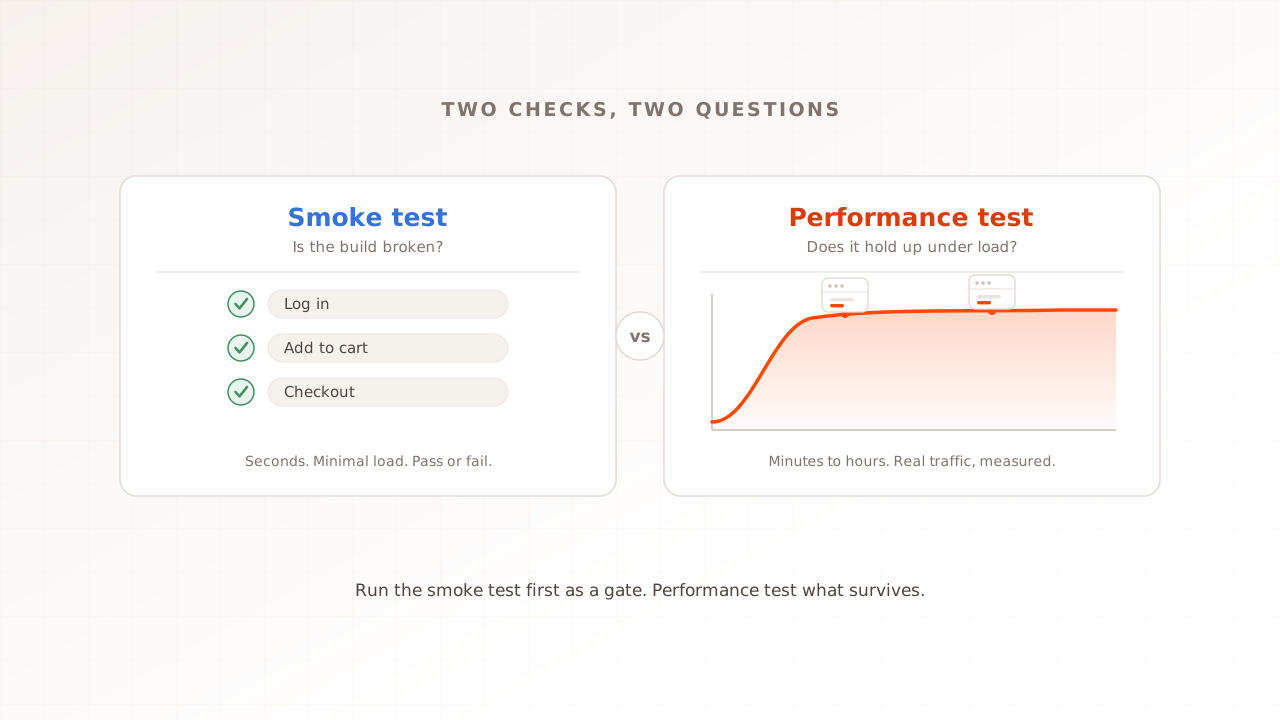
Smoke testing vs performance testing: when a quick pre-release check is enough
Smoke testing and performance testing get treated as rivals, but they answer opposite questions. A smoke test asks whether a new build is broken. A performance test asks whether it stays fast and stable under load. This guide shows how the two differ, and when a quick pre-release check is genuinely enough.
Ahmad Farzan ·
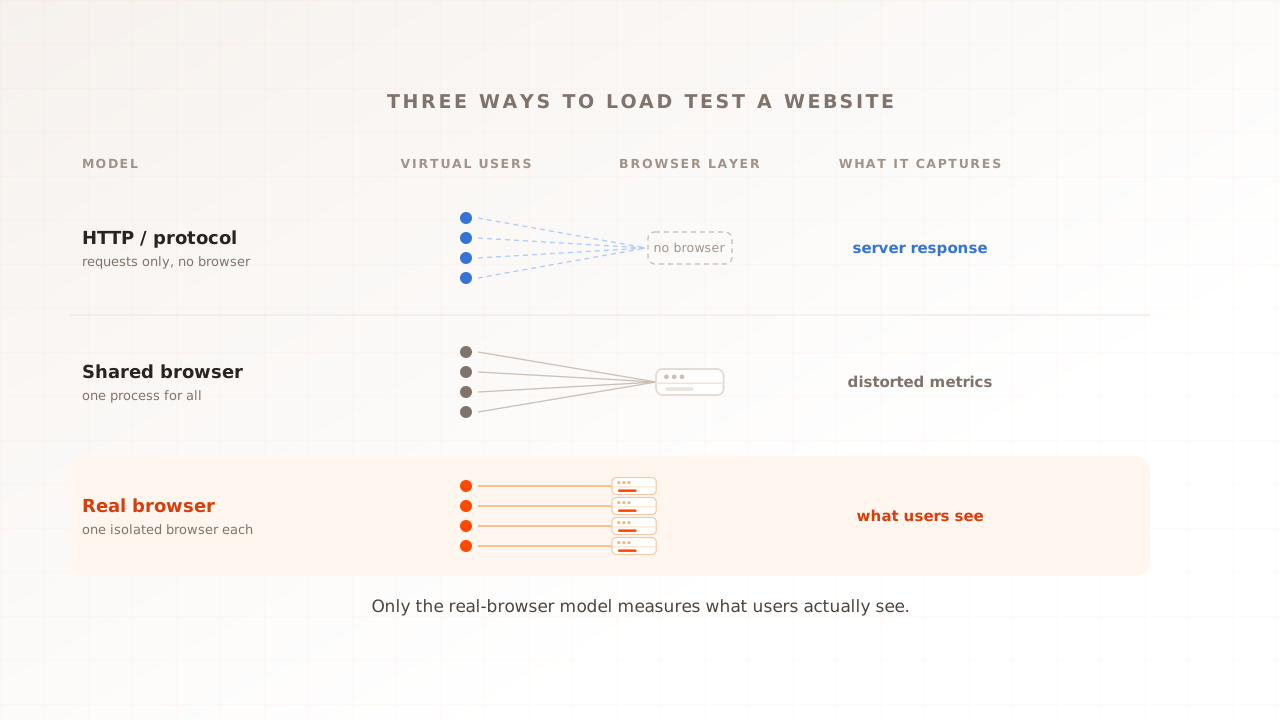
Real-browser load testing, explained
Most load testing tools fire HTTP requests at your server. A few share one browser across many simulated users. Real-browser load testing gives every virtual user its own isolated browser, so it measures what your customers' browsers actually do under load. Here is how the three models differ, what each one can and cannot see, and when each is the right call.
Ahmad Farzan ·
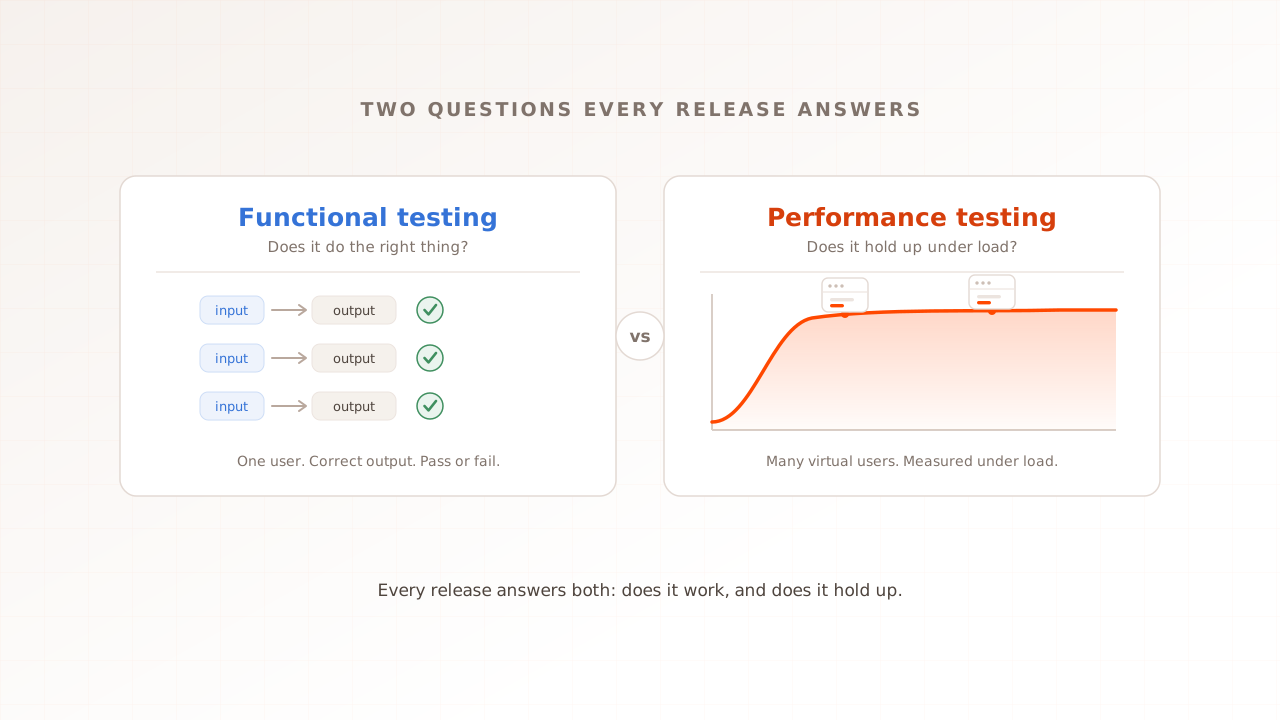
Functional testing vs performance testing: two questions every release should answer
A build can pass every functional test and still fall over the moment real traffic arrives. Functional testing answers one question: does your software do the right thing? Performance testing answers another: does it stay fast and stable under load? Every release has to answer both. This guide shows how the two differ, and where each one fits.
Ahmad Farzan ·